Loading cart...

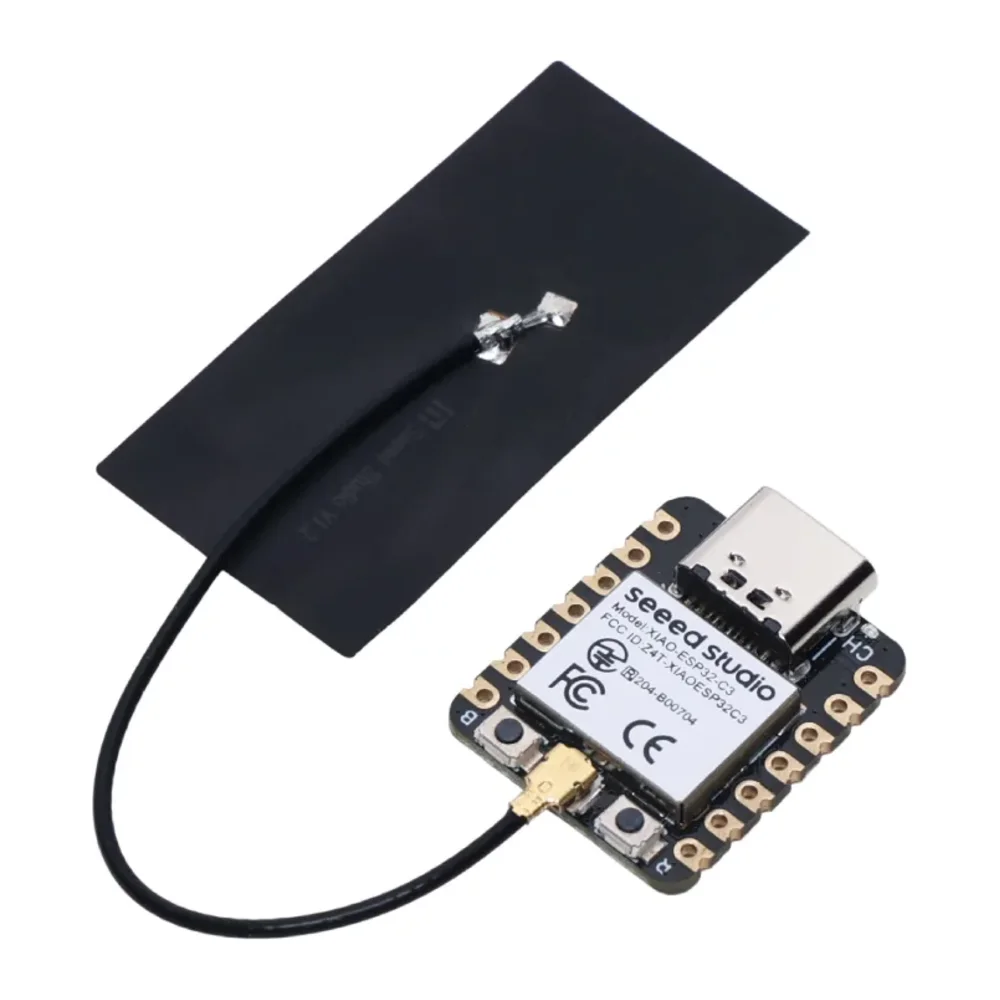
Thumb-sized RISC-V board with Wi-Fi and Bluetooth 5, built-in battery charging and USB-C, ideal for tiny connected projects and wearables.
7-day returns on unused items · Return policy
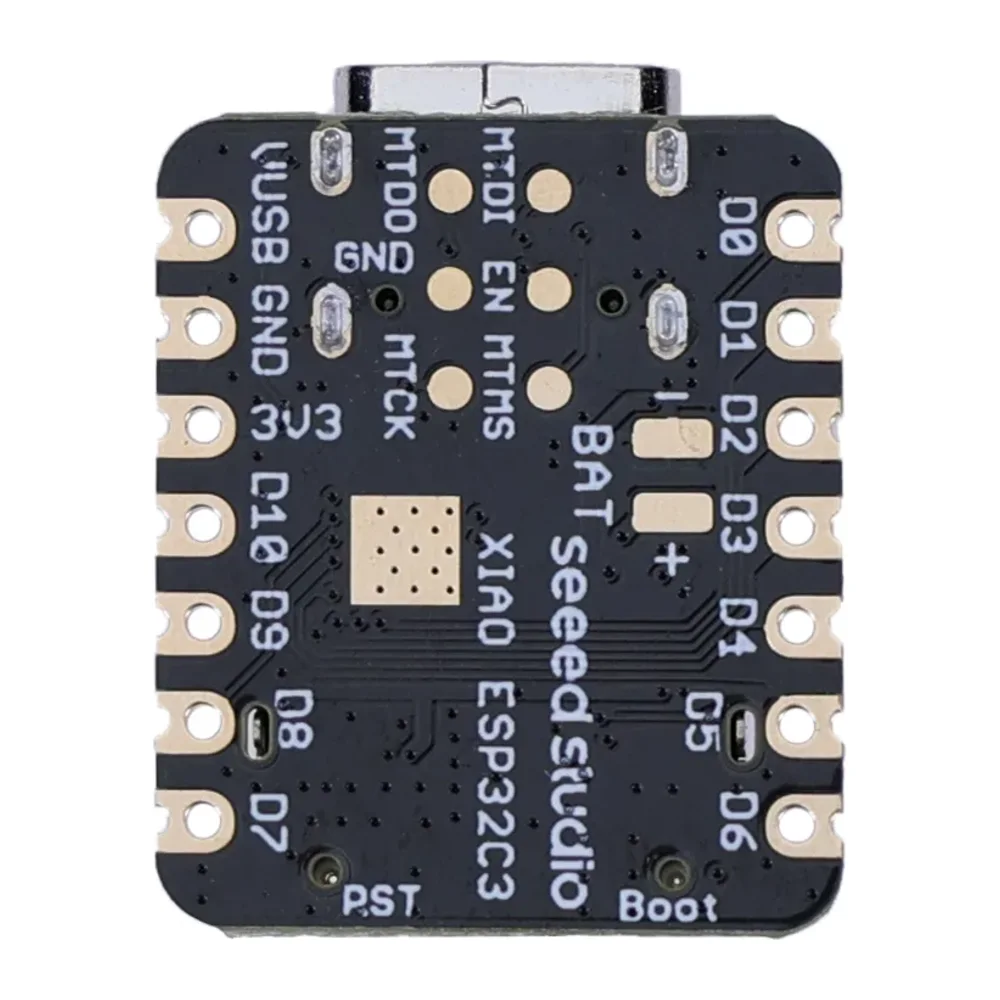
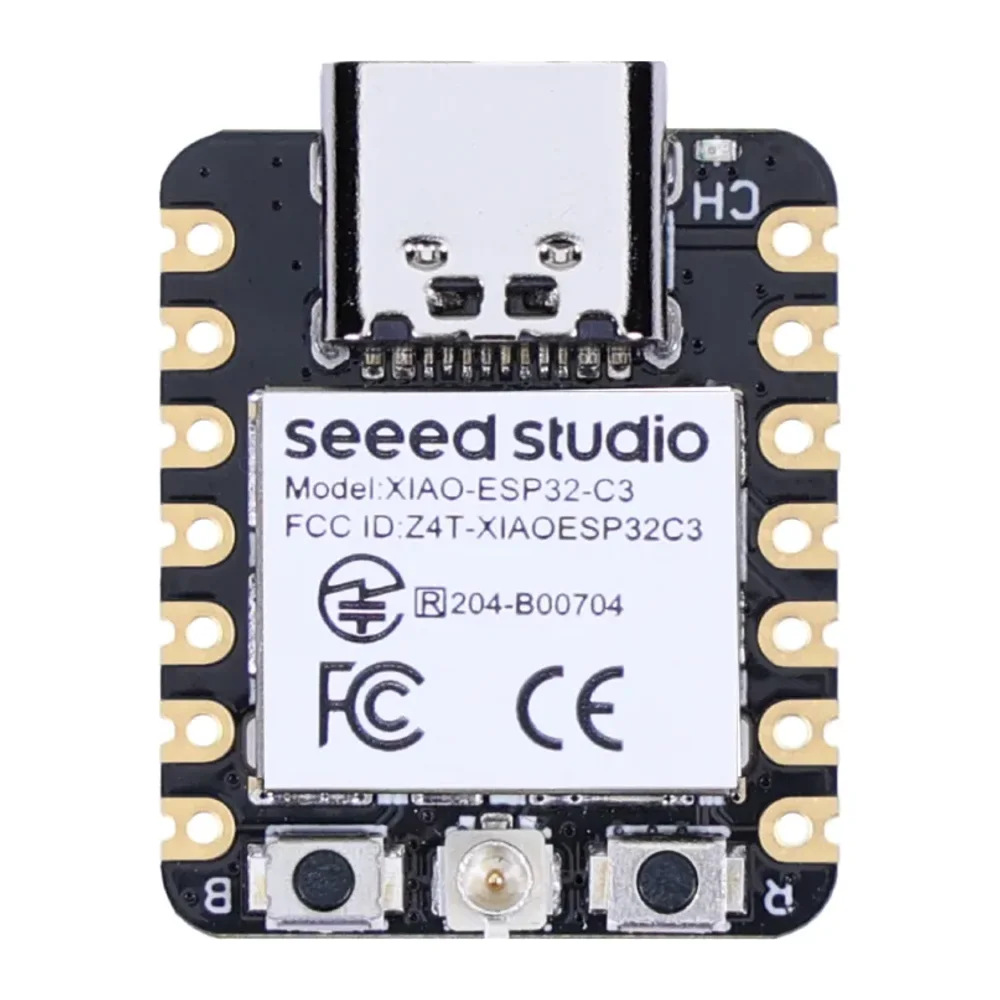
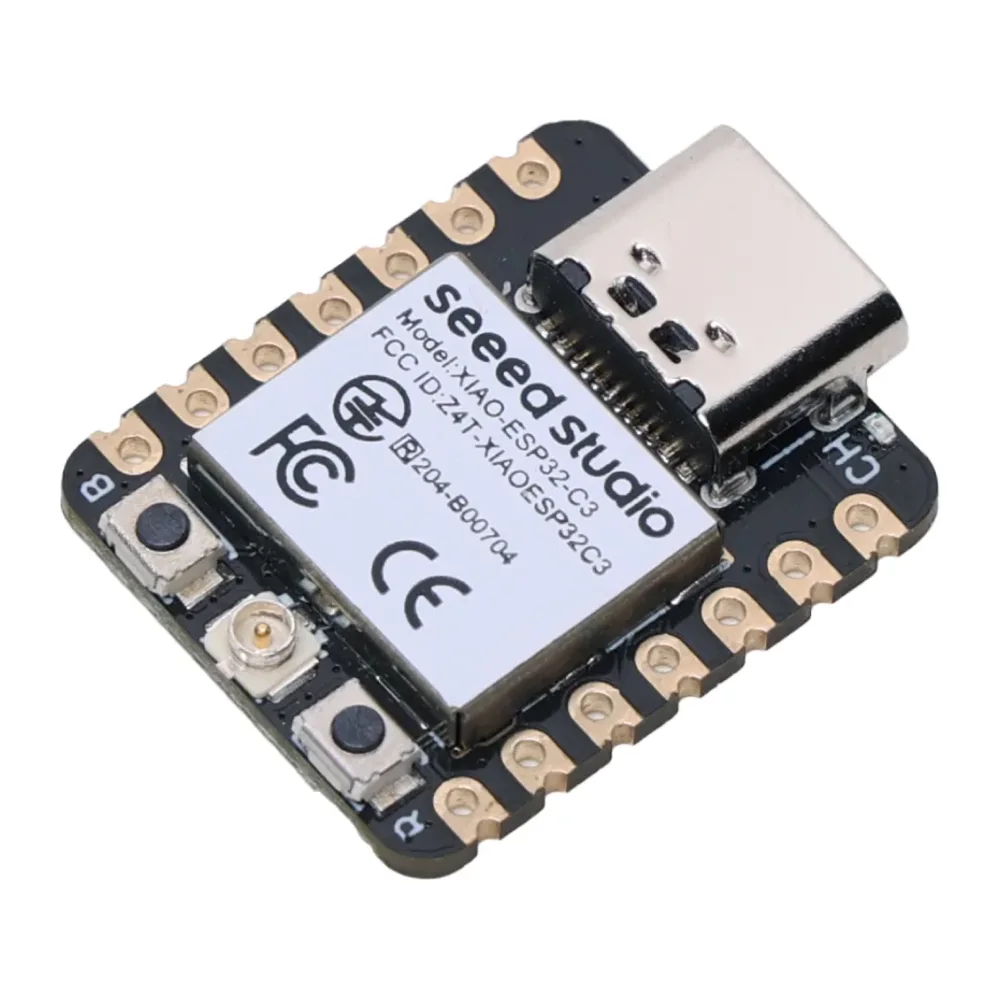
The XIAO ESP32C3 packs Espressif's ESP32-C3 into a 21 × 17.8 mm board you can solder straight onto your own PCB. It runs a 160 MHz RISC-V core with Wi-Fi and Bluetooth LE 5, has a lithium battery charger on board and sips only about 44 µA in deep sleep, so a small LiPo can keep a sensor node alive for weeks. Program it from the Arduino IDE, ESP-IDF or MicroPython over its USB-C port.
| Chip | Espressif ESP32-C3, 32-bit RISC-V single core, up to 160 MHz |
|---|---|
| Memory | 400 KB SRAM, 4 MB flash |
| Wireless | Wi-Fi 802.11 b/g/n (2.4 GHz), Bluetooth LE 5 |
| I/O | 11 GPIO (PWM capable), 4 analog inputs, 1× I²C, 1× SPI, 1× UART |
| Power | 5 V via USB-C or 3.7 V LiPo on BAT pads (built-in charger) |
| Deep sleep | ≈ 44 µA |
| Dimensions | 21 × 17.8 mm |
| Programming | Arduino IDE, ESP-IDF, MicroPython, PlatformIO |
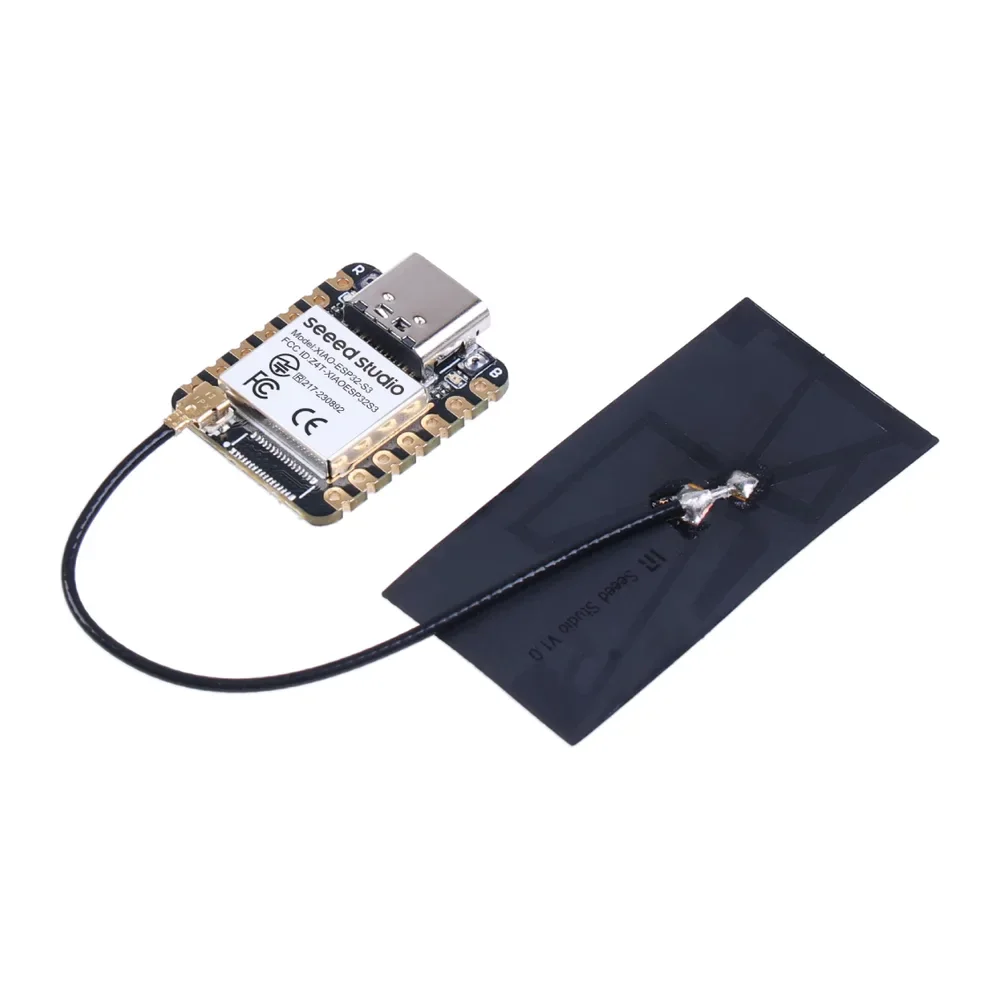
Tiny dual-core 240 MHz ESP32-S3 board with 8 MB PSRAM, 8 MB flash, Wi-Fi, Bluetooth 5 and battery charging — big performance in a thumbnail.

XIAO ESP32S3 with a plug-on camera, digital microphone and microSD slot — a complete thumb-sized kit for vision, voice and edge-AI projects.
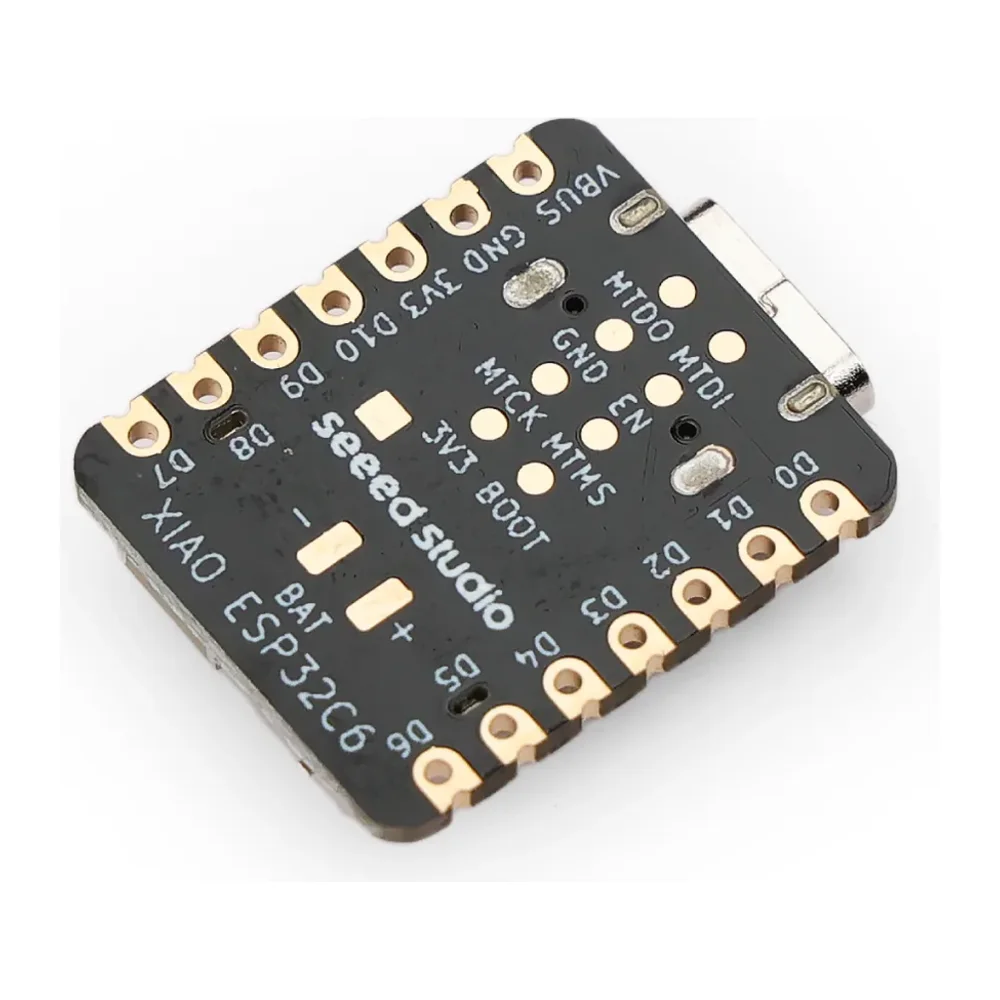
Matter-ready XIAO with Wi-Fi 6, Bluetooth 5.3, Zigbee and Thread — the smallest way to build modern smart-home devices.

The classic dual-core ESP32 development board with Wi-Fi and Bluetooth, 30 breadboard-friendly pins and a CP2102 USB interface.